Conservatives for Responsible Stewardship has released a new in-depth report, Unplugged: The High Cost of Bonding Reform Rollbacks, revealing how the Trump administration’s plan to weaken federal oil and gas bonding requirements could leave American taxpayers responsible for up to $753.5 billion in cleanup costs on public lands.
This new analysis comes at a critical moment. Recent federal actions, especially provisions in the One Big Beautiful Bill Act, have opened more than 200 million acres of public lands to oil and gas development. Under these new policies, companies could potentially drill as many as 3.8 million new wells across the West. Yet the administration is also preparing to roll back the 2024 bonding reforms that were designed to ensure companies, not taxpayers, pay to plug and reclaim those wells.
A Return to an Unfair, Outdated System
For decades, inadequate bonding allowed irresponsible operators to walk away from their cleanup obligations, often by filing strategic bankruptcies or shifting ownership to shell companies. The Bureau of Land Management stepped in last year with long-overdue reforms, raising minimum bond amounts for the first time in more than sixty years, to protect taxpayers from exactly this kind of abuse.
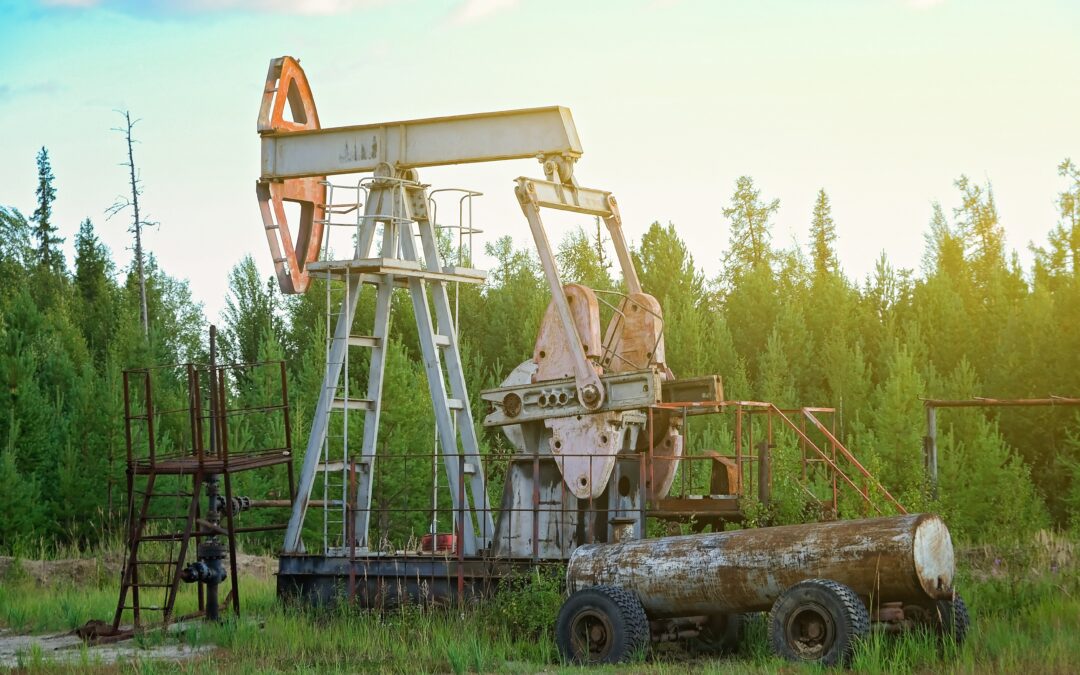
Rolling back those reforms now would return us to a system that has already failed taxpayers for generations. With bonds averaging just $1,707 per well, there is no realistic mechanism to cover the actual $35,000–$200,000 cost of plugging a modern well. The financial gap gets passed directly to communities and taxpayers.
CRS President David Jenkins put it plainly: weakening bonding requirements “enables industry bad actors to scam American taxpayers out of billions,” while rewarding the worst practices in the industry.
What’s at Stake
If these rollbacks go forward, taxpayers won’t just face enormous financial exposure—they’ll also confront the long-term environmental consequences of more abandoned and orphaned wells, including:
- Methane leaks and increased greenhouse gas emissions
- Degraded wildlife habitat
- Polluted lands and waters
- Harm to local recreation economies
- These impacts linger for decades and cost far more to address when cleanup is delayed or ignored.
Read the Full CRS Report
The new CRS report breaks down these risks in detail, using federal data to show exactly how bonding rollbacks would burden future generations with billions in avoidable liabilities. It also explains why strong bonding protections are essential for responsible energy development and fiscal accountability.
Read the full report here:
https://www.conservativestewards.org/crs-bonding-report/
CRS remains committed to ensuring that public lands are managed responsibly—and that taxpayers are never forced to clean up the mess left by industry bad actors.
